ENCOUNTER OF COLLECTIVES
/2026


E·CO/26] About time.  Images and stories that
  explore the relationship between
  the past, the present and the future
  in our communities
SELECTED PROJECTS
The seventh edition of E·CO has found its winning collectives.
The E·CO/26 Selection Committee chose 6 proposals from Ibero-America and 6 from Africa following a rigorous pre-selection process carried out by the E·CO Programme Pedagogical Team, which assessed artistic quality, thematic relevance, and project feasibility. The team defined the 35 finalist projects that were then submitted for evaluation by the Selection Committee, which was composed of:
Eloísa Vaello Marco
Deputy Director of Cooperation and Cultural Action for Sustainable Development at AECID.
Ana Belén Ramos
Head of the Spanish Cultural Centres Network Service at AECID.
Ángela Rodríguez Perea
Director of the Spanish Cultural Centre in Bata at AECID.
Gael Almeida
Executive Director for Latin America at National Geographic Society.
Pragna Parsotam Kok & Noel Martin Anthony Kok
Co-Directors of NEWF.
Claudi Carreras, Director, and Gisela Volá, Director of the E·CO Programme Pedagogical Team at VIST Foundation.
We deeply appreciate the dedication and thoughtful perspective of each of its members during the judging session; their experience and judgement were key to enriching the debate and reaching this selection.
The E·CO Programme Pedagogical Team, responsible for conducting the two-stage pre-selection from the total number of applications received, is composed of its Director, Gisela Volá (Argentina), photographer, educator, and co-founder of Sub Cooperativa de Fotógrafos; Maritza Lavin (Mexico), photographer, director, and audiovisual producer specializing in narratives on territory, water, and memory; and Samira Vera-Cruz (Cape Verde), filmmaker, science communicator, and underwater director of photography.
The winning projects will seek to explore the different ways of relating to time in communities of Ibero-America and Africa, investigating concepts such as roots, memory, ancestral knowledge, life cycles, and inhabited territories. The open call sought to rethink the past in order to understand the present and articulate new futures.
The process will continue with the Ideas Lab from July to September, the E·CO Programme’s mentoring space for the development of the projects. We invite you to follow the news and updates on this process through VIST’s social media channels (@vistprojects), where the progress and activities of the selected collectives will be shared.
IBERO-AMERICA
Fuegas brigadistas organizadas - Argentina
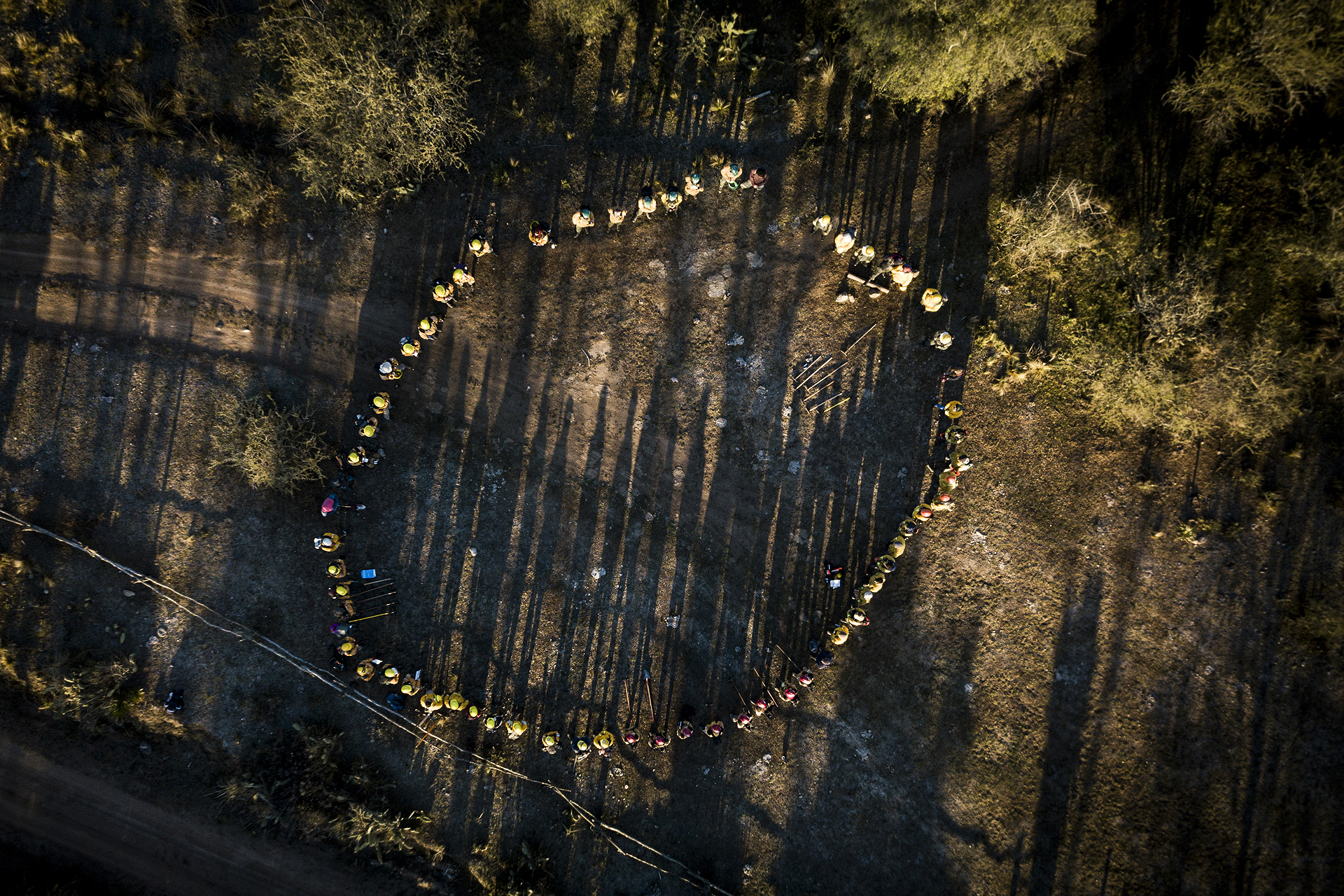
Tiempo de monte
The project will seek to hack the Forest Firefighter Manual, proposing a poetic and collective re-reading from an ecofeminist perspective. Through collage, photography, weaving and writing, it will investigate the manual’s words to transform them into an artistic “manual” that speaks of the cycles of the forest and the rhythms of caring bodies. It will propose understanding time not as urgency, but as cycle, living memory and transforming territory.
Members: Natalia Roca, Giuliana Santoli, Danila Pagano & Melania Belén Kobylnik.
QHIPA - Bolivia
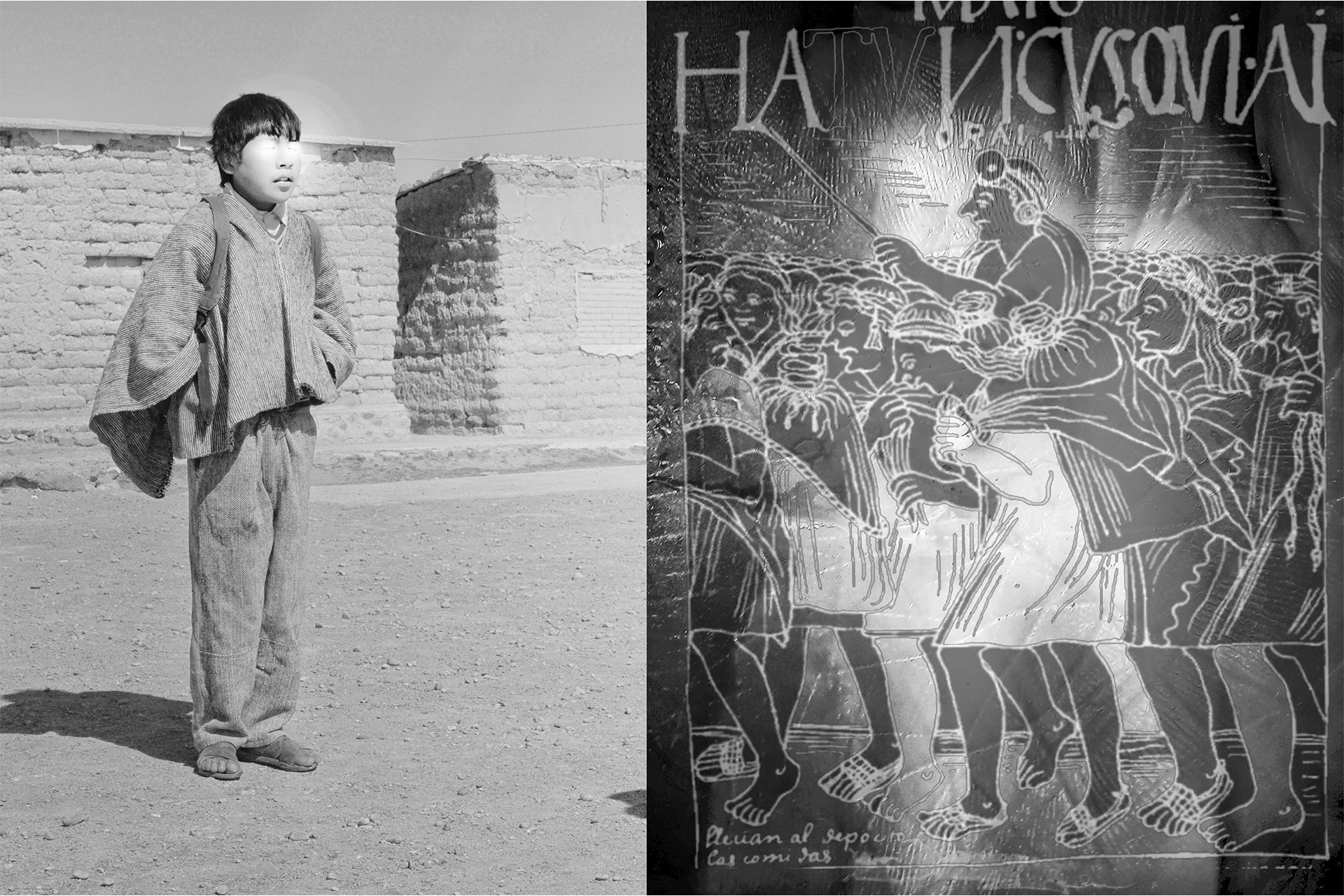
El futuro está atrás
The project will investigate the relationships between time, memory and territory in indigenous communities of Bolivia, drawing from Guamán Poma de Ayala’s agricultural calendar. It will seek to synchronize Andean and European time, proposing visual reinterpretations that function as bridges between the colonial past and contemporary perspectives. Through dialogue circles with the Uru nation, the project will seek to build possible futures from their own memories and experiences.
Members: Diego Nuñez De Arco, Fatima Choque, Kelly Ledezma & Luis Manuel Ribero.
Maloca Joven - Colombia
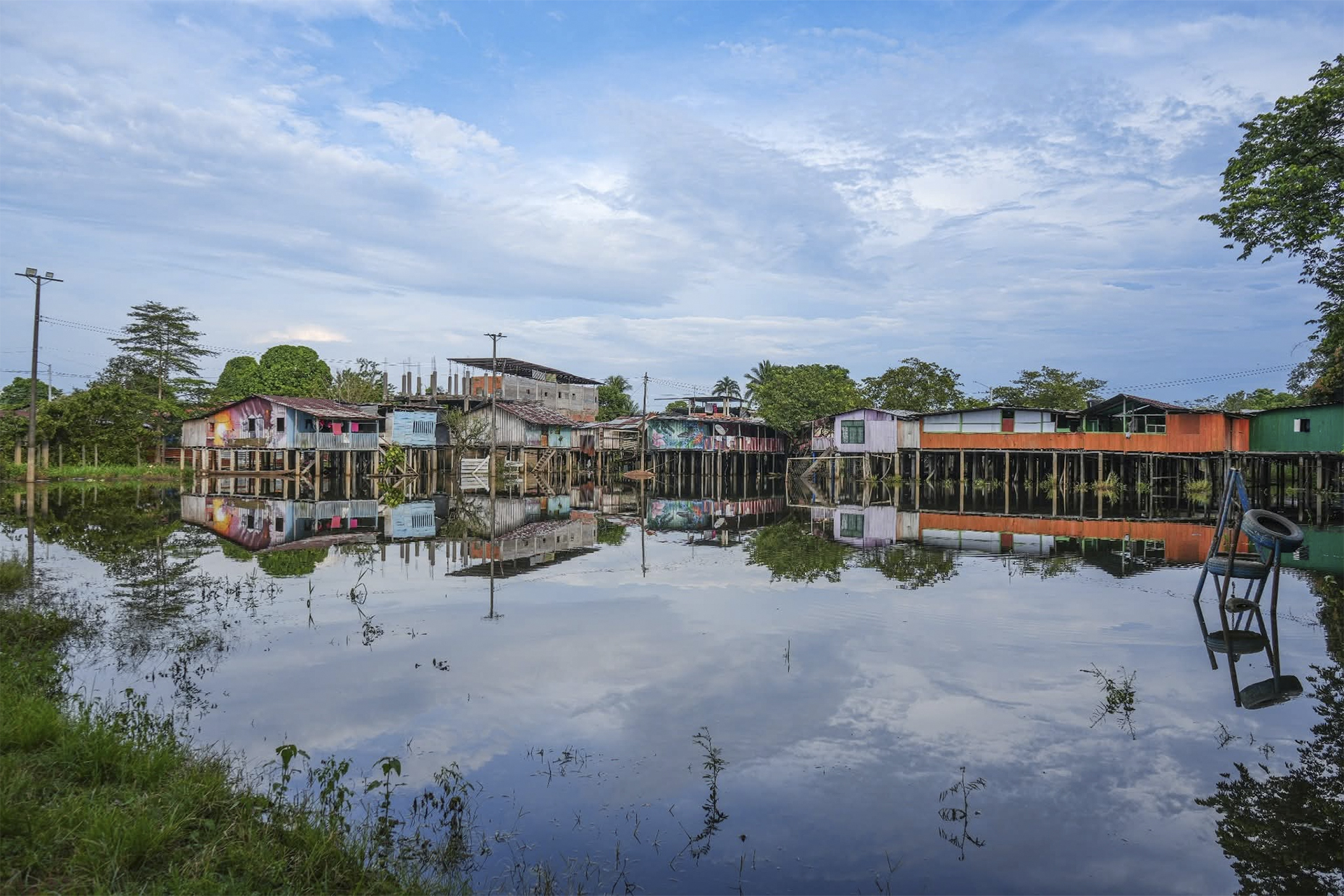
Entre aguas turbias: memoria viva del Río Guaviare
The audiovisual project will explore the relationship between time, territory and memory through the Jiw communities settled on the Guaviare River in Colombia. It will seek to recover ancestral stories about the river, make visible the problems of contamination, and open questions about the possible futures of the territory. Through a participatory narrative, it will propose audiovisual training spaces with young people to strengthen intergenerational transmission of knowledge.
Members: Jorge Andrés Quintero Pineda, Alejandra Berrio, Andrés Buitrago, Jesús Hernández, Vanessa Pinzo & Juan Castillo.
Herederas - Guatemala
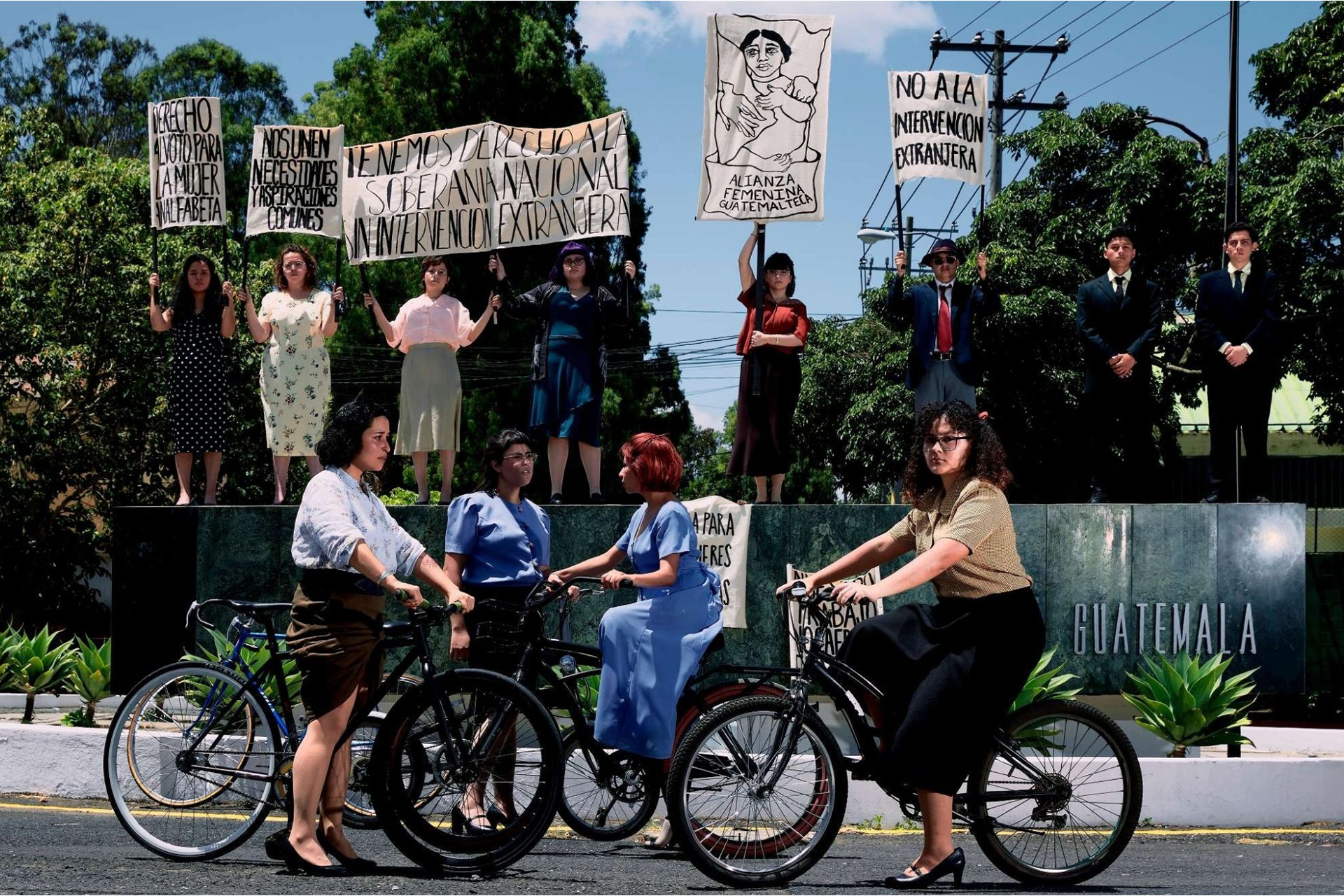
Conmigo mi pueblo
The transmedia project will seek to imagine the reunification of two indigenous territories in Mexico and Guatemala, separated by colonization and national borders. Through a symbolic journey and a portable photographic set, it will propose activating portrait spaces where each person decides how to be represented. It will seek to build a narrative where ancestral memory, community present and possible futures converge in a single collective image.
Members: Camila Juárez Morales, Sonia Gregorio, Carla González & Diana Martinez García.
El alma del sol - Paraguay
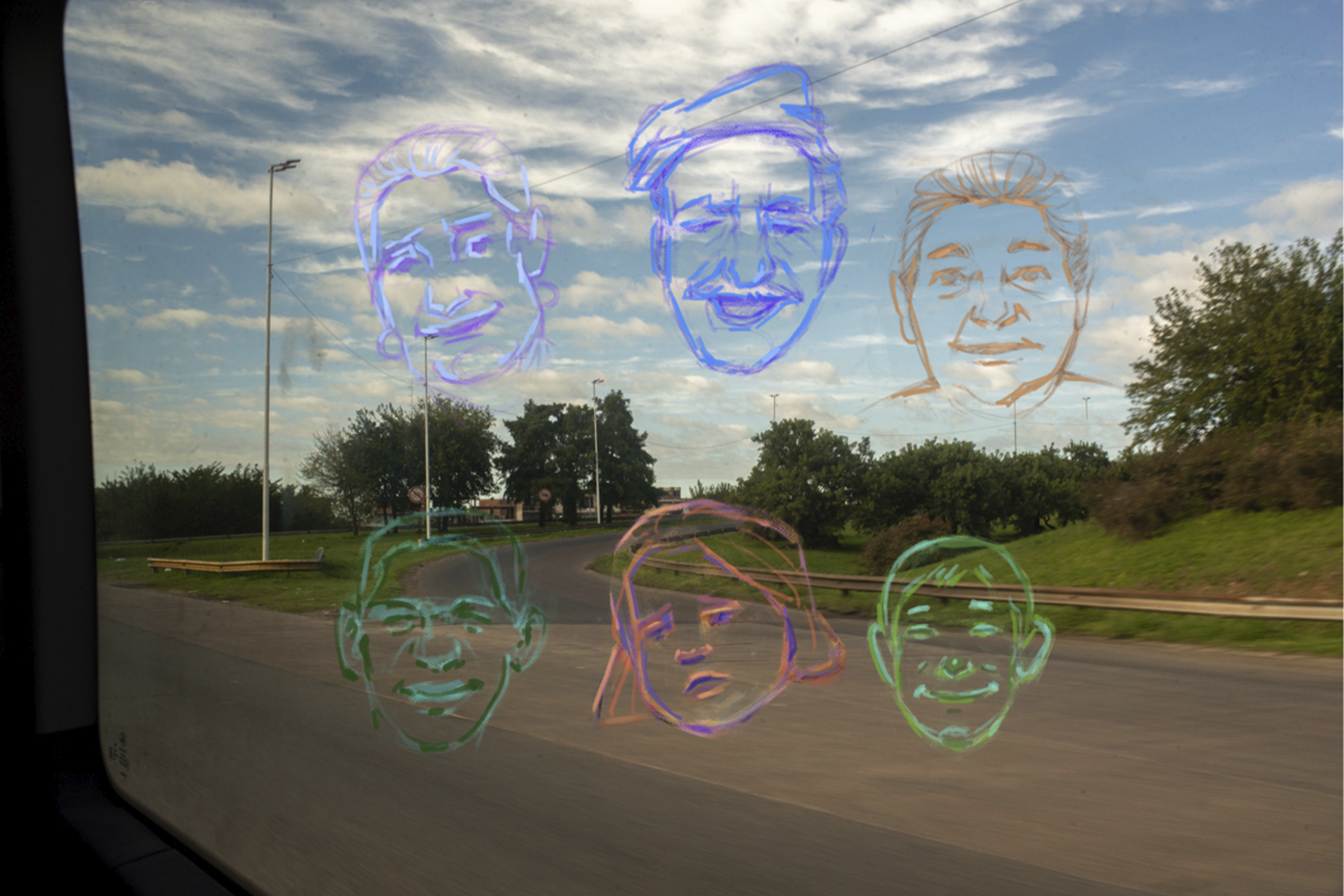
Kuarahy’anga
The project will explore family memory, migration and the transmission of language as affective territory from the poetry of Guaraní. Through photographs, drawings, archives and oral stories, it will seek to reconstruct the fragmented memory of a Paraguayan migrant family. It will propose creating a sensitive archive where portraits and landscapes transform into hybrid spaces between document and imagination, understanding memory as a living presence that continues in other territories.
Members: Karen Gamarra, Juan Medina, Bruno Gamarra (Argentina) & Graciela Medina (Argentina).
Kano - Perú
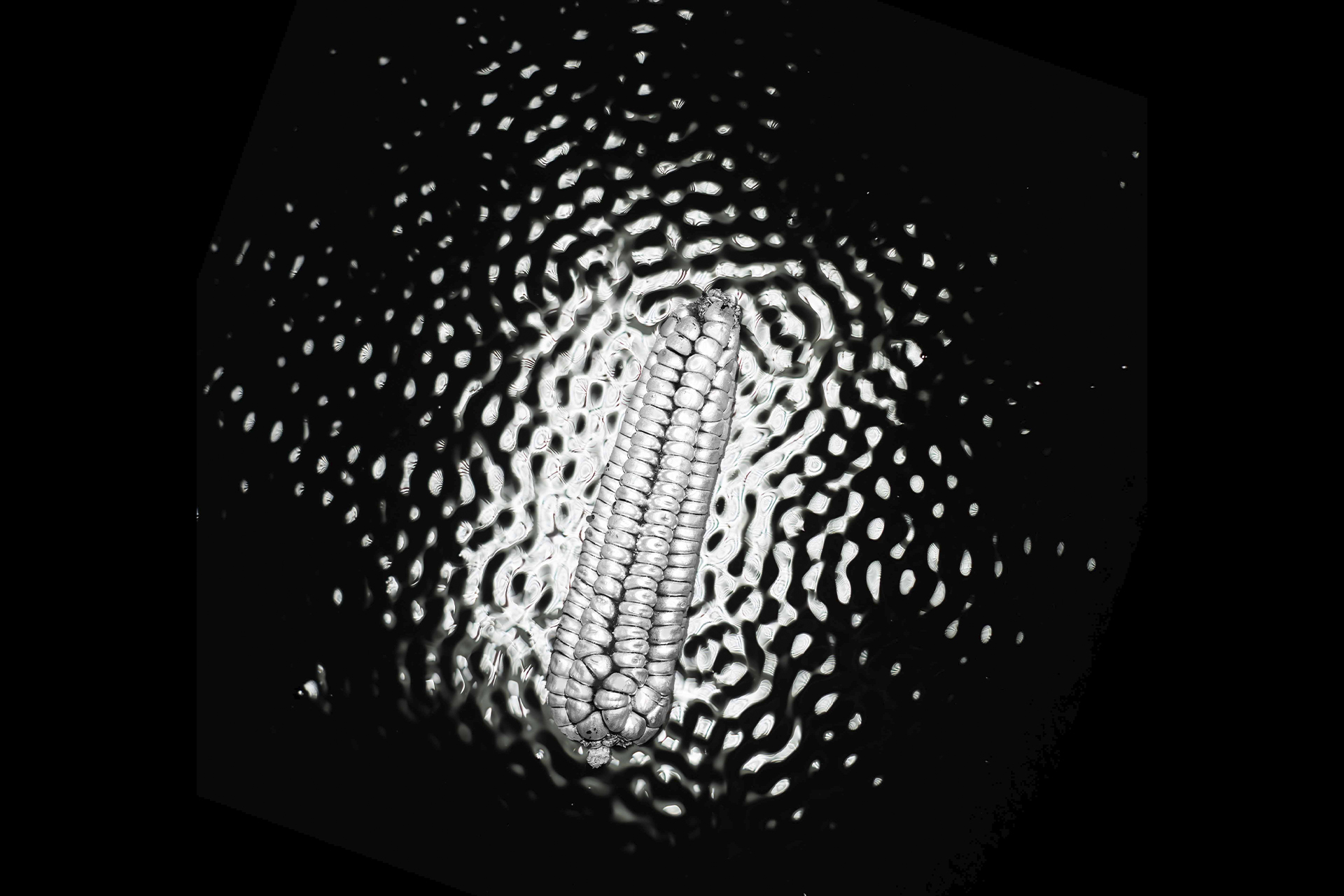
Plantas maestras, ikaro y kené: geometría del tiempo y el sonido en la medicina shipibo-konibo
The project will explore the relationship between ikaro and kené as systems that articulate a singular conception of time in Shipibo-Konibo traditional medicine, where past, present and future coexist. It will seek to bring an elder sage into dialogue with a young traditional doctor to investigate how ancestral knowledge about time is transmitted and renewed. It will propose that the songs of master plants and geometric designs are manifestations of a cyclical and living time, where the ancestral is also a future sung in the present.
Members: Roberto Zariquiey, Paul Gambin & Clever González.
AFRICA
Likaand - Gabon
Le Temps
The group will seek to explore an Equatorial African worldview where time is not measured by clocks, but by the rhythms of rain, the moon, fertile land, and living bodies. Through photography, film, and sound, it will investigate how oral traditions have preserved this cyclical understanding of time despite colonialism, extractivism, and modernization. It will propose a portrait of a culture where protecting memory also means protecting a way of inhabiting time, and will seek to make visible those who keep alive a different way of understanding time.
Members: Kristina Obame, Yvan Cedrick Essingone (Maître Engone), Marie Laurette Bouassa Moubouengou, Julie Bindang Mvie, Matamba Kombila & Naelle Sandra Nanda.
Kurkuma Cultural Int - Equatorial Guinea / Spain
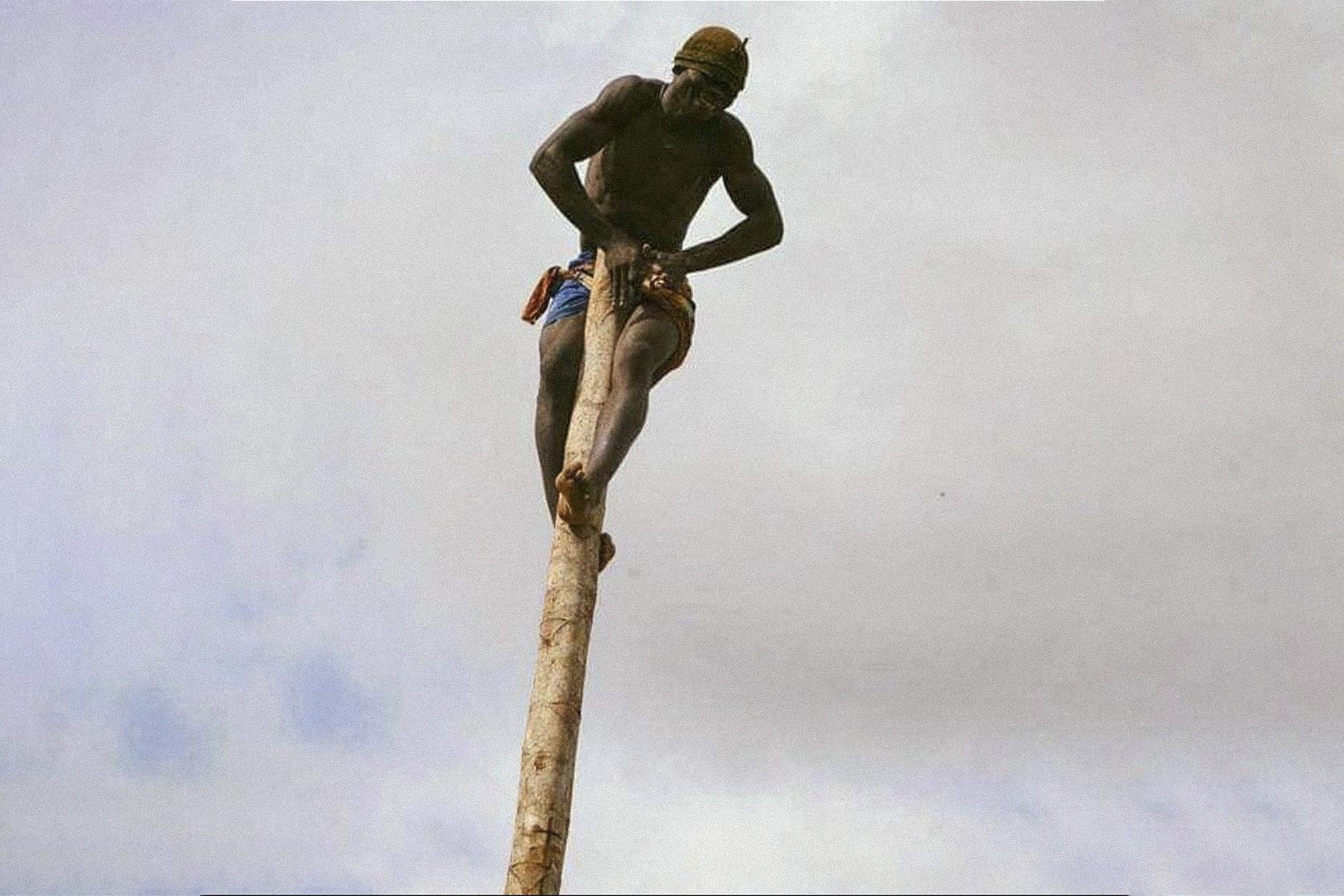
Nôn já sã lôngô: temporalidades arrastradas entre Guinea Ecuatorial y Venezuela
The project will investigate how Afro-descendant cultures in Equatorial Guinea and Venezuela construct time through song, dance and community percussion. Based on audiovisual and sound recordings from both territories, it will analyze cultural ways of understanding time to develop a hybrid performance piece combining archive, live music, percussion, voice and dance. The project will propose an immersive experience where the spectator perceives different temporalities, understanding these traditions not as folklore, but as living knowledge systems that generate other ways of inhabiting time.
Members: Nohe Bull Mum (Toiñ Bull), Celia Zayas Espinosa, Flavia Tamarite Castaño, Juan Carlos Rodríguez, Victor Aarón, Florencio Boiché & José Francisco Mergal Bull.
Coast Filmmakers - Kenya
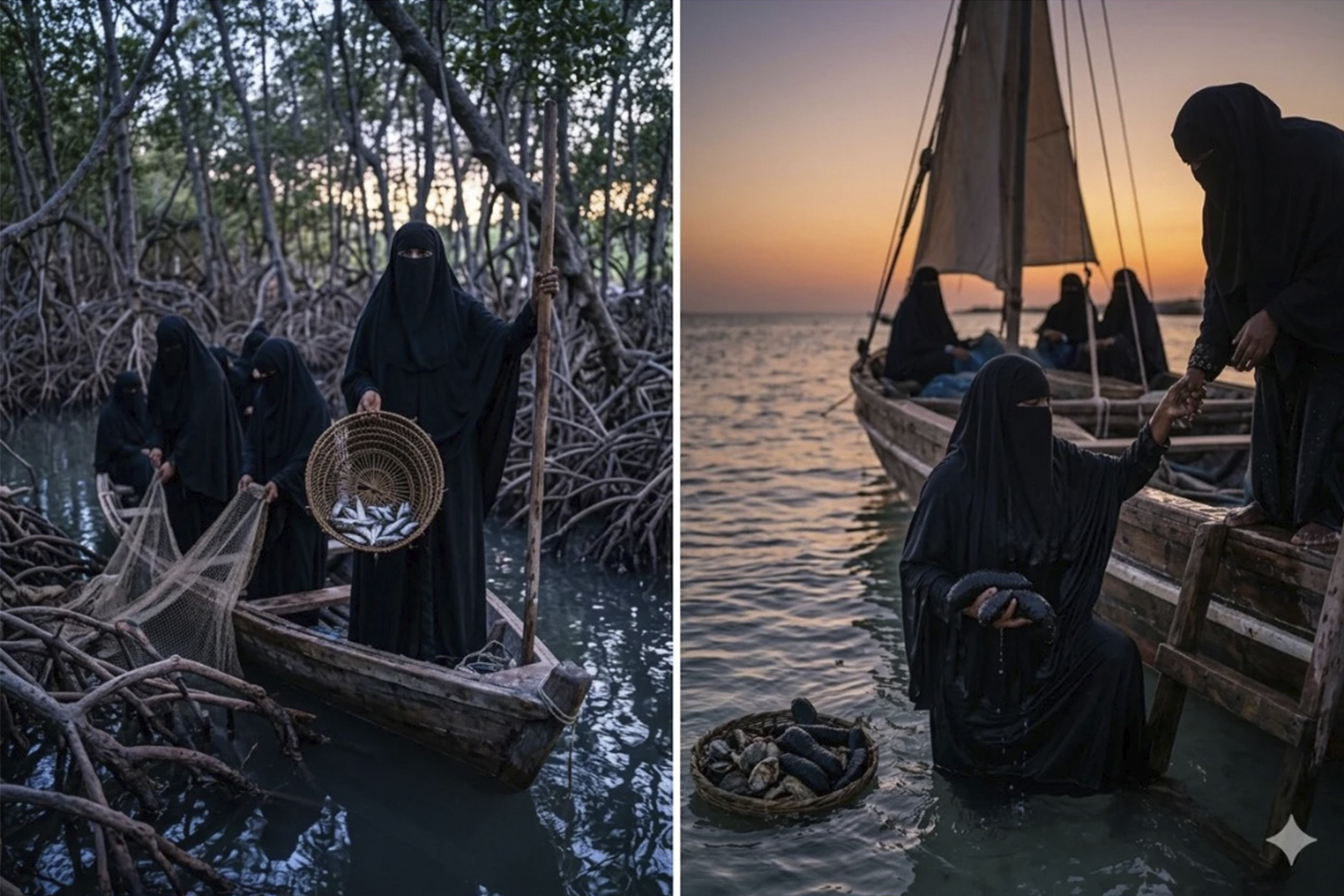
Where Sasa Meets Zamani
Where Sasa Meets Zamani will reimagine the future of Lamu through Swahili concepts of time, where past and present continuously shape one another. Using photography and staged visual compositions, it will speculate on how rituals, food, architecture, and communal life might evolve without losing their cultural roots. It will seek to build a vision of a future that grows from tradition rather than replacing it.
Members: Eleanor Nelima, Evelyn Kimori, Mohammed Abdulrahman, Anderson Nzole, Faraj Mohammed & Amani Karisa.
Nyelete - Mozambique
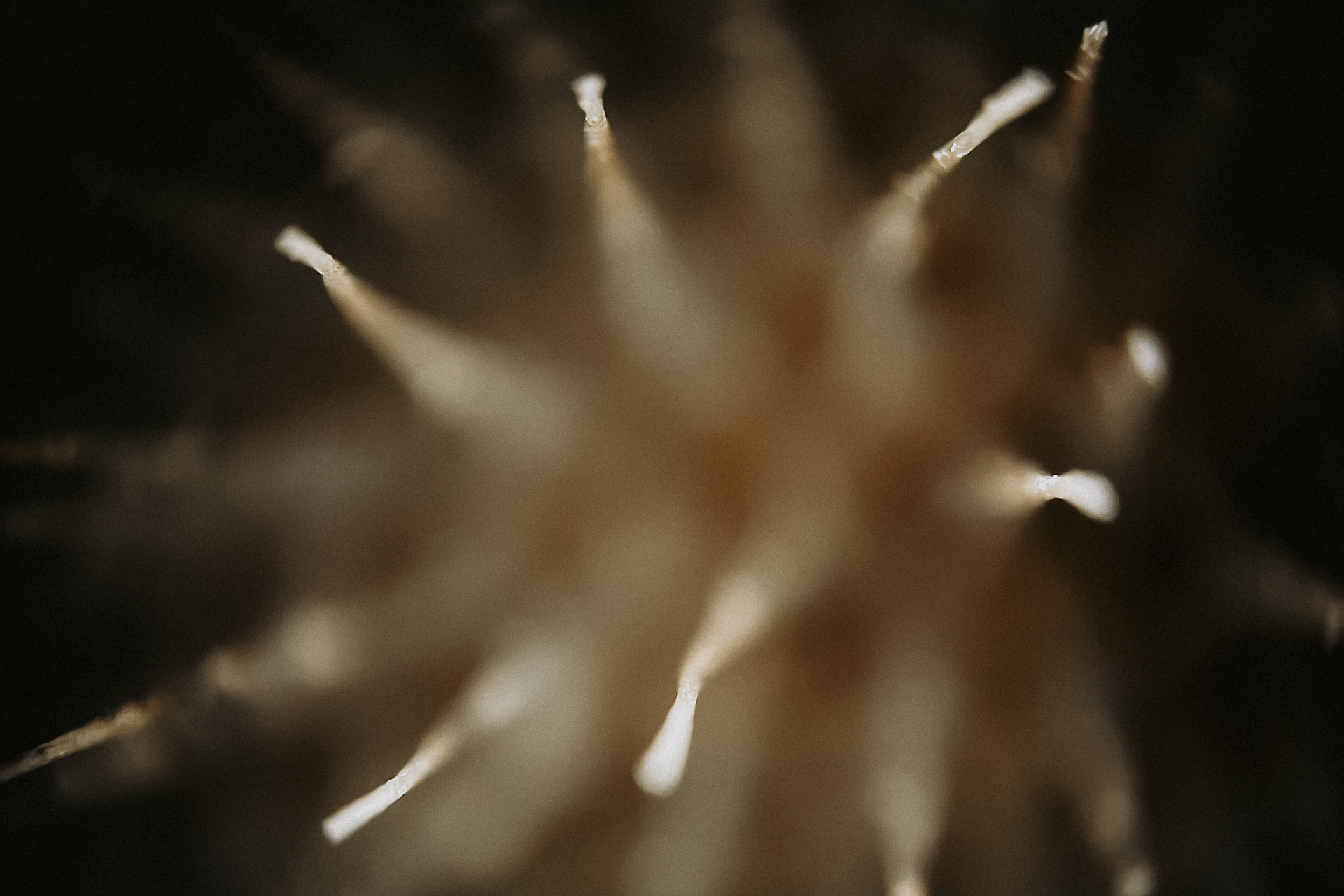
Kanyaka
Kanyaka will explore an ancestral network of knowledge connecting a medicinal plant, its pollinating insect, and a Sangoma healer on Inhaca Island, Mozambique. Through photography, sound, and scientific observation, it will reveal how these relationships have sustained life for centuries. It will propose a meditation on the “ancestral internet”—a living system of interdependence that may hold new ways of imagining the future.
Members: Dilayla Romeo, Lizete Timane, Iolanda Greedes Fernando Marcolino & Dércio Muha Gomate (Kenya).
Igan Archive - Nigeria
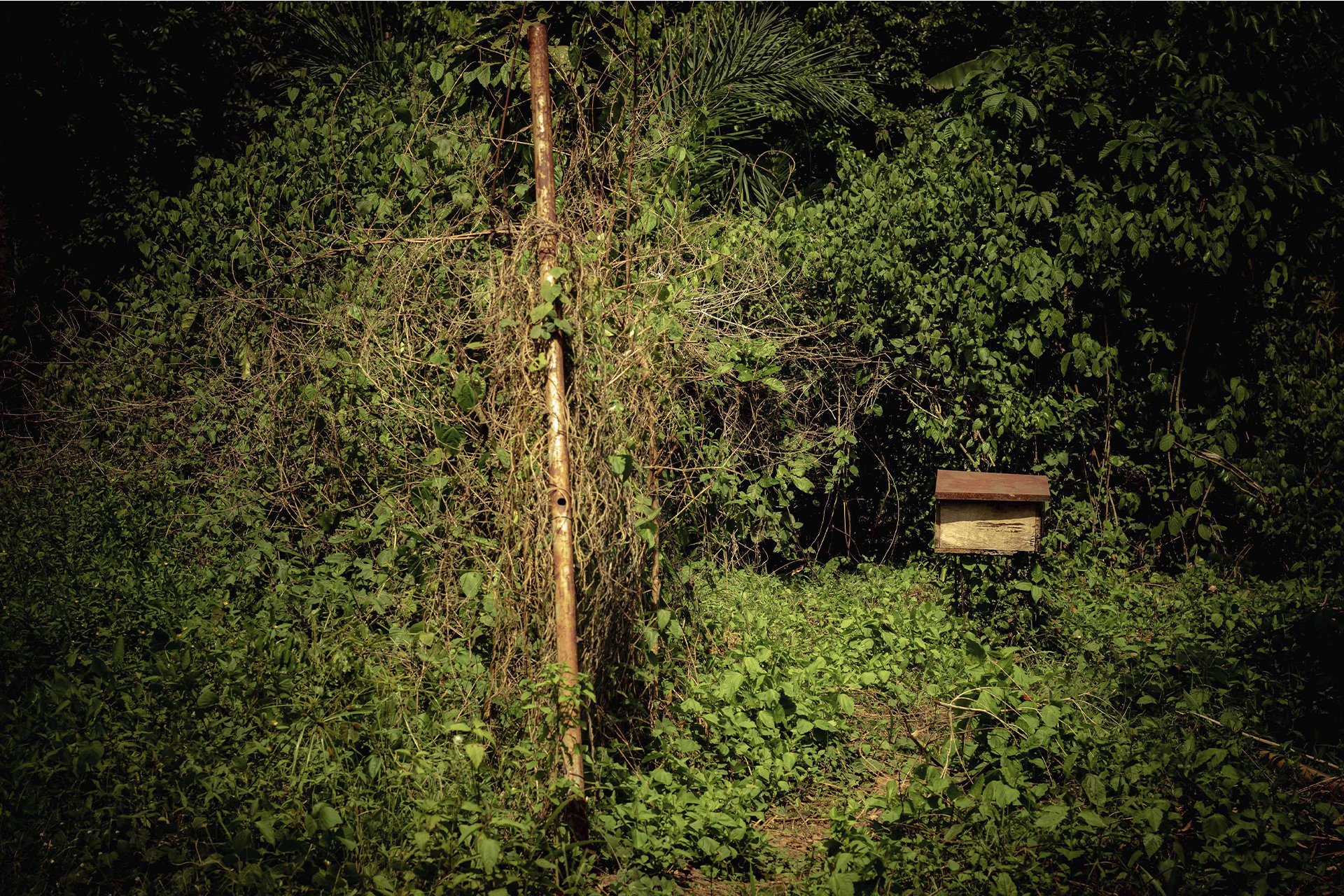
The Last Colonies of Oyo
The Last Colonies of Oyo will follow biodynamic beekeeper Fauzziyah and beekeeping communities in southwestern Nigeria who live alongside wild “killer bees.” Through photography, sound, and installation, it will seek to reveal a tradition built on patience, attentiveness, and reciprocity, challenging extractive practices and the fear associated with these bees. It will propose coexistence—not control—as a way of sustaining both communities and ecosystems.
Members: Victor Adewale, Ìtùnúolúwapèlúmi Ọmótóṣò & Fauzziyah Isiak.
Sarmad Collective - Tunisia
Sarmad سَّرْمَدُ
The proposal will reimagine women’s bodies as the place where communal time is written, transformed, and passed from one generation to the next. Structured as a circular installation, the work will follow rituals of birth, adolescence, marriage, and death across Amazigh, Tunisian, Moroccan, and Egyptian traditions, revealing how identity is continually shaped through the body. It will propose a vision of time as something embodied, cyclical, and collectively lived.
Members: Inès Arsi, Shorouk Elkobrosi (Egypt) y Yasmine Karrum (Morocco / Spain).
GUIDELINES
Overview
As part of the seventh edition of E·CO – Encounter of Collectives – we are pleased to announce the launch of E·CO/26. About Time is now open. We are looking for images and stories that explore the relationship between the past, the present and the future in our communities.
The Spanish Agency for International Development Cooperation (AECID), together with the VIST Foundation and NEWF, is launching a new call for the conceptualisation, creation and production of visual projects, to foster collaborative work networks in Ibero-America and Africa around the construction of new visual narratives, as well as encouraging reflections on the concept of time — the revision of the past, ancestral knowledge, and the enunciation of new futures in the region.
The selected projects will be presented on E·CO/26 platforms, including exhibitions, websites, and social media, in accordance with the VIST Foundation’s and NEWF’s general editing and curatorship criteria.
Special attention will be paid to themes that highlight the social, political, and cultural realities of the various communities of Ibero-America and Africa in relation to time.
We invite collectives interested in exploring alternative approaches to time, reinterpreting the history of their communities, and creating visual projects that examine the themes of roots, memory, and ancestral knowledge. We particularly welcome proposals that explore different ways of conceiving time in relation to life cycles and the territories we inhabit. We will also support projects that explore the relationship between time and territory, as well as those that propose new ways of imagining the futures we will inhabit.
This call aims to rethink the past in order to better understand the present, and to articulate and envisage new futures.
Each selected project will receive a production grant of €5,000. Projects may be submitted by existing collectives or groups of people working together for this project on an interdisciplinary basis. The works will be developed within the framework of the E·CO/26 platform.
The selected groups will participate in a collective production and reflection process, with virtual accompaniment from specialists in the themes throughout the entire work development. Once production is complete, the results of the projects will be presented in one or more exhibitions, which may tour, and on the digital platforms of the VIST Foundation, NEWF, AECID and the Spanish Cultural Centres, or the institutions they designate.
Registration
Groups of three or more people working on the same collaborative project may participate.
All applicants must be residents of a country in Ibero-America or Africa. International projects involving several countries in a single application may be submitted.
Project registration must be collective and include the name and country of residence of each participant. Existing collectives and groups of creators formed for this project may also participate. The group must designate a legal and formal representative who will be responsible for receiving the grant payment and communicating with the E·CO/26 team.
Projects may be visual, audiovisual or transmedia, and must align with the theme of the call.
It is essential that the registration form is completed correctly and that the requested material is attached.
Projects submitted must adhere to the terms of the call and the presentation format for outlining the idea.
Registration in this call implies acceptance of all its terms.
Terms of the call
Registration opens on the 27th of March and closes on the 10th of May at 23:59 South African time.
Participants or their legal representatives are responsible for the content of their files and for obtaining the necessary permits for using and reproducing images of people and spaces photographed or filmed. They are also responsible for ensuring that all information sent is accurate, bearing in mind that the evaluation of their projects will also depend on this.
Regarding the use of material from historical archives, the relevant reproduction permits must be obtained.
Likewise, selected participants must adhere to the VIST Foundation’s criteria for good professional practice throughout the production process.
Finalist projects will undergo four stages of evaluation and monitoring:
- Project selection.
- Training process: Participation in the Ideas Laboratory and the debate and exchange round to deepen project development.
- Production process: Stage of project realisation.
- Dissemination process: Final delivery. Curatorship, exhibition, and dissemination. The choice of space for exhibiting the work, organisation of the exhibition (physical or virtual), and technical specifications for programming will be defined according to curatorial criteria, paying attention to authorial indications wherever possible.
The selected collectives grant the exhibition and dissemination rights of their projects to:
– Digital platforms of AECID, VIST Foundation and NEWF for an indefinite period.
– Projections and presentation events of the project.
– Print or electronic media for project communication.
– Indoor and outdoor exhibitions and project dissemination platforms.
– Catalogue and other communication and dissemination materials.
Selection Process
The selection committee will take into account the relevance of each project in relation to processes that identify, question, and foreground within the territories of Ibero-America and Africa: a) the different ways in which communities relate to time—whether by measuring, understanding, or narrating it; b) how this relationship is expressed within the territories they inhabit, understanding that narratives emerge at the intersection of time and space; and c) the potential to imagine alternative ways of engaging with time.
Particular consideration will be given to interdisciplinarity and collaborative practices, with an emphasis on projects that result in visual outcomes and propose new visual narratives and languages within the framework of the call.
A total of twelve proposals will be selected: six from Ibero-America and six from Africa.
Once collectives have been selected, their members may not be modified. Exceptions will only be considered in exceptional cases and must be formally communicated to the organization in writing.
All submitted proposals will be evaluated by a selection committee composed of members of Fundación VIST, NEWF, and representatives of AECID.
Grant
A total financial grant of 5,000 euros (or the equivalent in the legal currency of the country of registration) is provided for each selected project, to support its production.
Participating collectives must submit a preliminary budget and provide proof of a bank account to receive the money via bank transfer in two instalments: 50% once the selected projects have been announced and the terms and conditions of the E·CO/26 Programme have been accepted, and 50% upon delivery of the final project.
In exceptional cases, the grant may be awarded at the end of the production process. Therefore, it is important that collectives can start production without receiving the first disbursement.
It is essential that the collective’s representative can legally invoice in the country where the grant is registered.
Copyright
When registering for this call, applicants must declare full authorship of the works to be exhibited, confirm that there is no plagiarism of works and/or registered projects, and confirm that they have the authorisation of any third parties who may hold the rights to the artistic production presented. Applicants will be held responsible for any claims relating to unauthorised use.
Regarding photographs to be used for project development that come from historical archives, participants must comply with the regulations of the originating institution and the country to which it belongs (e.g., signing reproduction agreements or any other formula contemplated by the regulations in force in those countries).
The applicants are solely responsible for the rights to use the images submitted, and must have the appropriate transfer of reproduction rights for the photographed subjects to be included indefinitely in the digital platforms and physical exhibitions of the aforementioned institutions.
The organisation undertakes to use the proper credits in every dissemination of the work.
Presentation
The selected projects will be presented on all physical and digital platforms, as well as on social media, that are linked to the project. Those selected will be asked to deliver the resulting materials in a high-resolution format for inclusion in the various dissemination activities.
If you have any questions, please contact us via email at eco@vistprojects.com
By registering for this call, you are confirming your full acceptance of the terms established herein.
FAQs
What is E·CO/26?
E·CO/26: About Time. It is a project exploring the relationship between the past, present and future in our communities through images and stories.
It is a production grant, a mentorship programme and a collaborative working experience.
The project seeks to foster collaborative networks in Ibero-America and Africa within the field of creating new visual narratives. The project aims to encourage new reflections on different ways of relating to time, reinterpreting the history of communities and developing visual projects that explore concepts such as roots, memory and ancestral knowledge. Proposals exploring different conceptions of time in relation to life cycles and the territories we inhabit, as well as the relationship between time and territory, will be highly valued, as will proposals for new approaches to imagining the futures we will inhabit.
This call seeks to rethink the past in order to better understand the present, and to articulate and imagine new futures.
The first meeting took place in 2008, in São Paulo, Brazil, in 2008; the second, in Madrid, Spain, in 2010; the third, in Santos, Brazil, in 2014; the fourth, in Oaxaca and Mexico City, Mexico, in 2022; and the fifth, in La Paz and Rurrenabaque, Bolivia, in 2024. The sixth will take place in Costa Rica in 2024.
What does the grant consist of, and what does it include?
E·CO/26 offers a creation grant of €5,000 to develop a collaborative project between June and September, as well as participation in a collective meeting in South Africa in November. Selected groups will participate in a collective production and reflection process, including virtual mentorship, throughout the development of their work. Once the production stage is complete, the results of the project will be presented in one or more exhibitions (which may tour) and on the digital platforms of the VIST Foundation, AECID, Spain’s Cultural Centres, NEWF or institutions designated by them.
How is the grant payment made?
The group or collective representative will be responsible for submitting a legal invoice to the paying institution in each country. They will receive 50% of the funds at the start of the project and the remaining 50% upon completion. They will also be responsible for receiving and distributing the funds to the other participants. In exceptional cases, the prize endowment may be received at the end of the production process. Therefore, it is important that collectives are able to start production without receiving the initial payment.
What type of projects are we looking for?
We will pay special attention to themes that identify social, political, and cultural realities regarding the different ways of relating to time in various communities across Ibero-America and Africa.
The call is oriented toward the production of contemporary visual narratives, whether within the framework of photography or audiovisual creation, as well as the intersection of artistic disciplines using images to achieve new narratives built from the plurality of collective creation.
Where/in which country will the meeting take place?
The production grant allows each group to develop the project in their own territories or those they choose to work in. In this edition, the meeting will take place in South Africa.
Who can apply and which countries can participate?
Collectives or groups of 3 or more people, whether already existing or formed specifically for this project. Members must be from and/or reside in any country in Ibero-America or Africa.
Can collectives that have obtained the grant in previous calls participate?
Some of the members can apply under a different group name, presenting a proposal that aligns with the current theme.
How to apply to the call?
You can apply through this form until May 10th at 23:59 (South Africa time).
You must provide: a project description, 10 to 20 reference photographs, a link to a YouTube or Vimeo video (for audiovisual or multimedia projects), sketches or previews of the works to be created, a project budget, a motivation letter, and information about each member of the collective or creative group.
Where can I see the full terms and conditions?
You can access the full guidelines in the Guidelines tab or download the PDF version.
Is it possible to submit more than one proposal per collective?
Yes, the same collective or group can submit different proposals, each with its own specificities.
Where can I contact you for other inquiries?
You can write to us at eco@vistprojects.com and we will be happy to help you ;)
E·CO (Encuentro de Colectivos) is a space where photography merges with other disciplines, challenging the boundaries of representation and exploring diverse artistic and scientific research processes within contemporary visual narratives. It promotes and encourages collaborative practices among creators and researchers from different backgrounds and professional profiles, fostering experimentation, knowledge exchange, and critical dialogue, while contributing to the transformation of how we see the world today.
Its six previous editions took place in Costa Rica (2024), Bolivia (2023), Mexico (2022), Brazil (2014/2008), and Spain (2010), leaving behind networks of collaboration that have opened new paths for photography, transcending borders towards a more creative and diverse future.